Dedicated vs Shared Customer Support Teams: Which Is Better?
Dedicated support agents work exclusively for your brand. Shared agents handle multiple clients. The right choice depends on your volume, complexity, and budget.
When you outsource customer support, one of the first structural decisions is whether agents work exclusively for your brand — a dedicated model — or handle multiple clients alongside yours — a shared model. Neither is universally better. The right choice depends on your ticket volume, product complexity, budget, and how important brand consistency is to your customer experience.
What Is a Dedicated Customer Support Team?
In a dedicated model, the agents assigned to your account work only for you. They are not splitting time between your customers and another company's. Over time, they develop deep product knowledge, know your repeat customers, and maintain consistent tone and quality without context-switching between brands.
Dedicated teams are typically billed per agent per month, meaning you pay for a defined headcount regardless of ticket volume. This makes them cost-effective when your volume is consistent and high enough to keep agents productively occupied. When volume is low or unpredictable, you are paying for capacity you may not always be using.
What Is a Shared Customer Support Team?
In a shared model, agents handle tickets from multiple clients, usually in the same industry or ticket type. You are paying for a share of their time rather than their full availability. Shared teams are typically billed per ticket or per hour of contact, making costs more variable and volume-dependent.
Shared teams work best when your query types are straightforward, volume is relatively low, and agents can be effective with knowledge base access rather than deep product expertise. They are more cost-efficient at lower volumes but introduce more variability in how well an agent knows your specific product and tone.
When Dedicated Makes Sense
A dedicated team is usually the right choice when:
- Your ticket volume is high enough to keep dedicated agents productive — typically several hundred tickets per week per agent
- Your product is complex and requires agents to build genuine expertise rather than work from a basic knowledge base
- Brand voice consistency is a priority and you cannot afford agents who are context-switching between clients
- You want agents who know your returning customers and can provide continuity of service
- You are planning to expand scope over time and need a team that grows with the product knowledge
When Shared Makes Sense
A shared team is typically the better choice when:
- Your current ticket volume is low and unpredictable, making a dedicated headcount cost-inefficient
- Your queries are largely standard — order status, FAQs, basic troubleshooting — and do not require deep product knowledge
- You are at an early stage and want to test the outsourcing model before committing to dedicated headcount
- You need to cover specific hours or channels without building a full dedicated operation
Many companies start with a shared model and move to dedicated once volume justifies it. This is a reasonable approach, though the transition requires a full re-onboarding of the new dedicated team.
The Hybrid Option
Some providers offer hybrid models where a core dedicated team handles your main channels during peak hours, and a shared pool covers overflow or lower-priority channels. This can give you brand consistency where it matters most while keeping costs lower where it matters less. Whether this works depends on how cleanly you can segment your query types and whether the provider's systems support it.
For help deciding which model fits your current scale, visit our customer support outsourcing services page. You can also read through our case studies page for examples of how we structure engagements, or contact us to discuss your specific situation.
Frequently Asked Questions
Is a dedicated team always more expensive than shared?
Per-ticket cost comparisons can be misleading. Dedicated teams are billed per agent, which can appear more expensive at low volume. At high volume, they are often more cost-effective per ticket than shared models. Run the comparison based on your actual ticket volumes before deciding.
Can I switch from shared to dedicated later?
Yes, but the transition requires a new onboarding phase since you are bringing on a dedicated team that needs to learn your product from scratch. Plan for two to four weeks of ramp-up time when making this switch, and do not assume the shared agents' product knowledge transfers automatically.
How many agents do I need for a dedicated team to make sense?
As a general guide, if your volume requires at least one full-time equivalent agent to stay productively occupied, a dedicated model starts to make economic sense. Below that threshold, a shared or blended model is usually more efficient.
Will a shared team provide lower quality than a dedicated one?
Not necessarily. For high-volume, straightforward query types with clear knowledge bases, shared teams can perform well. Quality issues in shared models are usually related to context-switching on complex or product-specific queries, not to the model itself.
Can dedicated agents handle multiple channels — email, live chat, phone?
Yes, dedicated agents can be set up to handle multiple channels. Channel mix affects agent count requirements and scheduling, so discuss this during the scoping phase rather than adding channels after the team is already operational.
Need support teams or a better digital operation?
Talk to SD IT Services.
Related services
Read Also
More SD IT insights.

Outsourcing
Kosovo Ranks Among the World's Safest Outsourcing Destinations (89%): What the Global Safety Report Means for Your Business
Read article
Technical Support
Why Growing Businesses Struggle with Efficiency (And How Better Processes Fix It)
Read article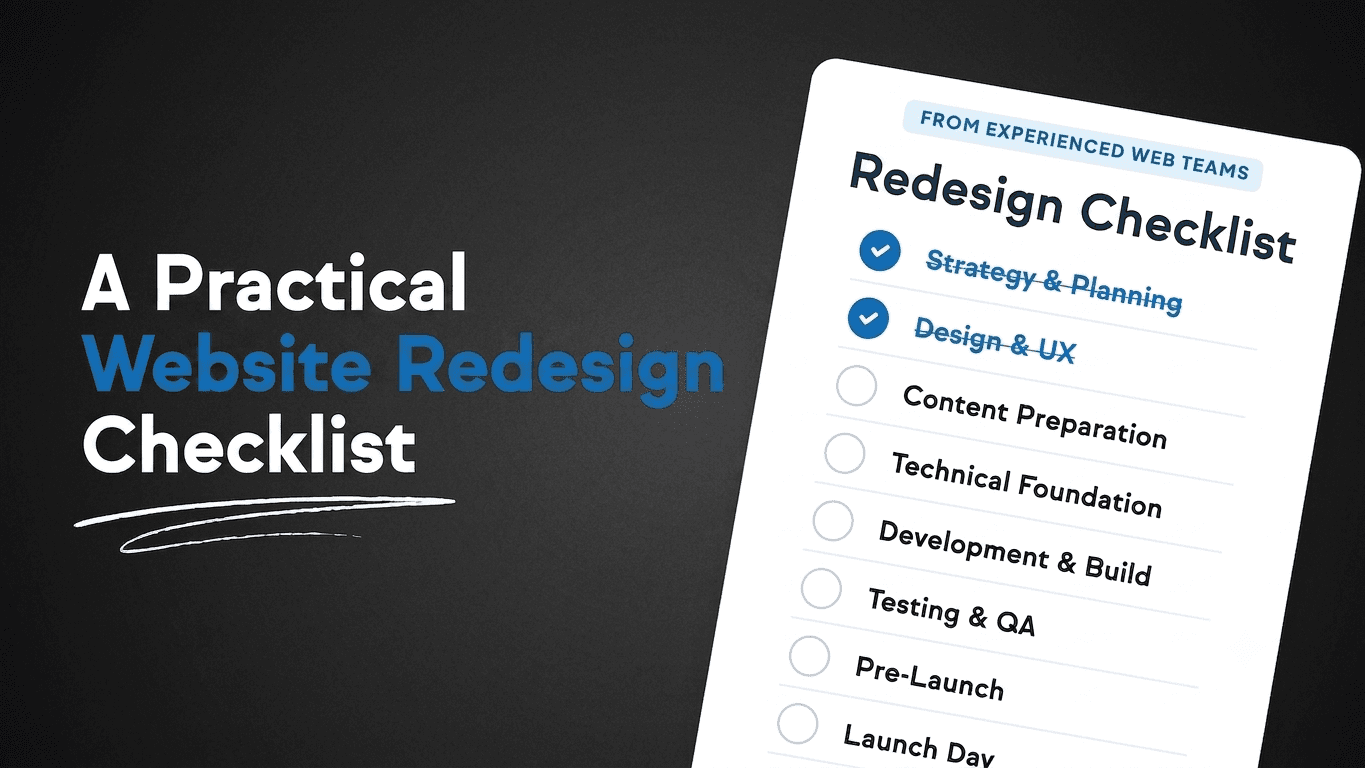
Company
Website Redesign Checklist for Growing Companies
Read articleShare via
Summarize with AI
Copies a prepared prompt with this article title and URL, then opens your selected AI tool.