Technical Support Outsourcing
Kosovo-based technical support teams that work inside your existing helpdesk, CRM, product tools, SOPs, and escalation workflows.
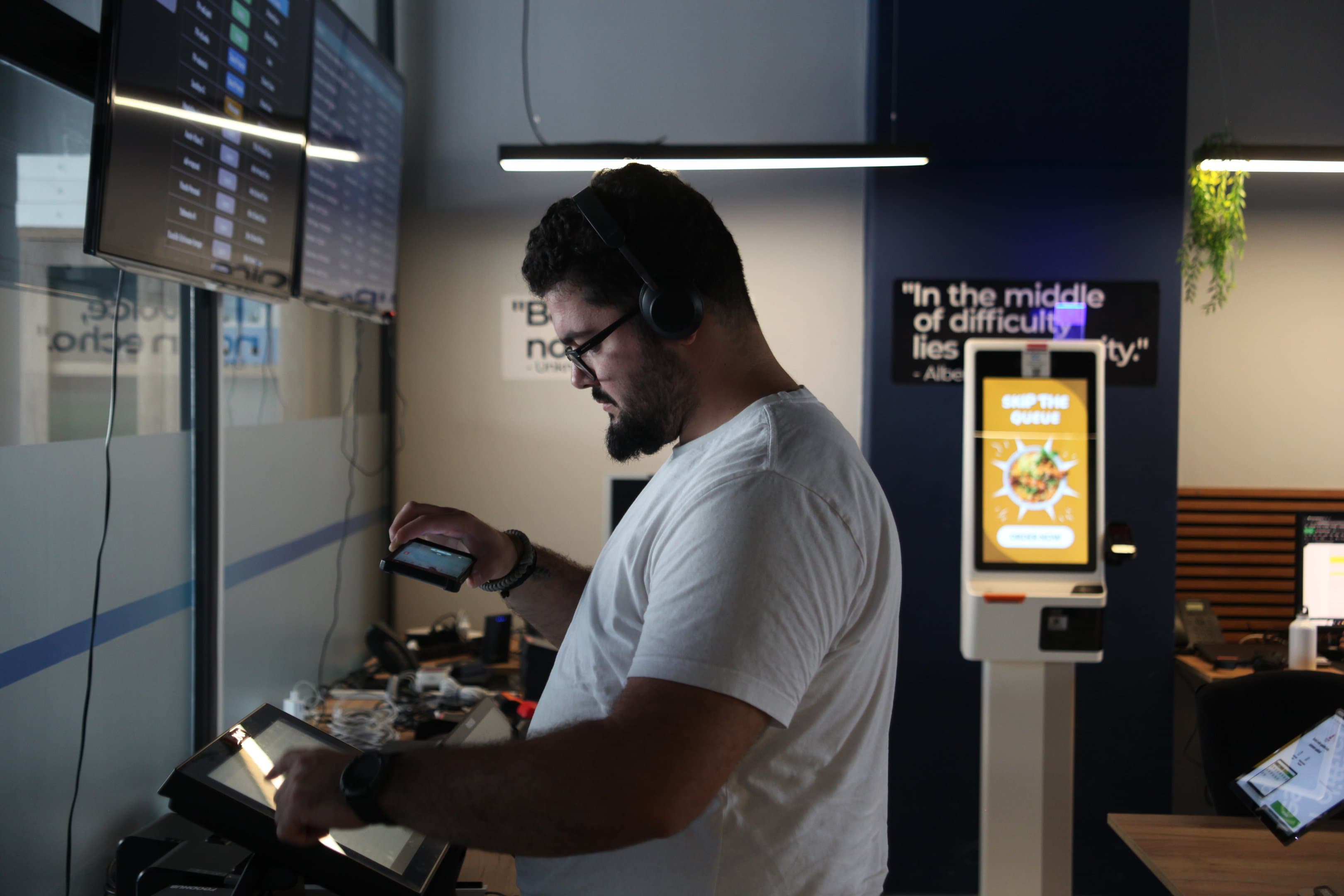
Kosovo Team
Managed on-site by SD IT Services
L1/L2
Triage model
SOP
Workflow control
QA
Escalation review
Technical support outsourcing: what SD IT Services handles
Technical support outsourcing gives companies a managed team for L1/L2-style app, account, platform, device, order, CRM, helpdesk, and operational support issues. SD IT Services works inside your existing tools and workflows to categorize tickets, follow troubleshooting steps, document reproduction evidence, update users, prepare escalations, report recurring issues, and keep internal teams working from cleaner context.
Service Motto
Clear technical triage, cleaner escalation, and better visibility for internal teams.
Capabilities
Technical support workflows that reduce noise for your internal team.
Technical Ticket Triage
Agents categorize app, account, platform, order, device, and help desk issues so ownership and next steps are clear.
Reproduction Evidence
Tickets include steps tried, screenshots or recordings where required, device context, log details where available, severity, and customer impact.
Troubleshooting Workflows
Teams follow client SOPs, troubleshooting trees, macros, templates, priority levels, and approved resolution paths before escalation.
User and Customer Follow-Up
Customers receive clear updates while cases are being investigated, routed, resolved, or prepared for internal technical teams.
Escalation Preparation
Escalations include categories, evidence standards, handoff notes, and attempted fixes so developers or internal teams receive cleaner context.
QA and Recurring Issue Reporting
Team leads review ticket quality, escalation quality, repeated issues, knowledge gaps, and reporting for client managers.
Buyer Problem
Technical queues break down when escalation quality is weak.
Growing companies often have unresolved technical tickets, poor reproduction notes, repeated issues, slow handoffs, unclear ownership, and overloaded internal teams. Managers can see that the queue is busy, but not always why tickets are stuck or what context the technical team needs.
SD IT Services helps turn technical support into a managed workflow. Agents categorize issues, follow approved troubleshooting steps, update the helpdesk or CRM, collect evidence, keep users informed, and prepare cleaner escalations for internal teams or developers.
Tools We Work Inside
Your technical support stack stays in place.
SD IT Services can work inside your existing tools, including platforms such as the examples below. Tool names are examples only and do not imply official partnerships or certifications.
L1 Support
First response, categorization, and basic troubleshooting.
L1 workflows cover intake, ticket categories, account or access checks, routine troubleshooting, customer updates, priority tagging, and routing based on client-approved SOPs.
L2 Support
Deeper investigation and escalation preparation.
L2-style support focuses on reproduction steps, screenshots or recordings where required, device and environment details, available log context, attempted fixes, and clear handoff notes.
Coverage Model
Flexible shifts with team lead supervision.
Coverage is scoped around UK, EU, US, Swiss, German, or global support needs, with client-approved workflows, escalation ownership, QA checks, and team lead oversight.
SOPs and Escalation Quality
Better documentation means faster internal handoffs.
Client SOPs, troubleshooting trees, macros, templates, and knowledge base instructions
Ticket categories, priority levels, ownership rules, and evidence standards
CRM, helpdesk, dashboard, and communication updates inside client-approved tools
Clear handoff notes for internal technical teams, developers, or operations managers
QA, Reporting, and Trust
Operational technical support experience, not inflated claims.
Team leads review ticket quality, escalation quality, recurring issues, feedback loops, SOP gaps, and reporting for client managers. The goal is practical visibility: what users are reporting, what has been tried, what needs escalation, and what issues keep repeating.
SD IT Services has experience supporting Foodhub technical support operations and operational experience across tickets, live support, issue triage, escalation workflows, and support team coordination. This page does not claim exact performance metrics, confidential outcomes, or ownership of client products.
Tools and Workflows
We operate inside your existing stack.
Helpdesk, CRM, chat, email, and telephony tools
Approved macros, saved views, routing rules, and SOPs
Escalation paths for product, account, billing, or operations issues
QA scorecards, queue reporting, blocker notes, and weekly reviews
What SD IT Services does not do
SD IT Services does not replace your CRM, helpdesk, or telephony platform. We do not position this service as a custom software build. Our team works inside your existing tools, follows your workflows, and improves support operations through SOPs, macros, routing, QA, and reporting.
How It Works
From first call to live operations in weeks.
Understand Scope
We review the technical support queues, issue types, products, customers, markets, coverage needs, and internal ownership rules.
Map Tools and Escalations
We document helpdesk fields, CRM updates, dashboards, communication channels, priority levels, and escalation paths.
Train on Product and SOPs
Agents learn your product, troubleshooting trees, macros, templates, knowledge base, categories, and evidence standards.
Launch With Supervision
The team starts with team lead oversight, close QA review, controlled ticket ownership, and clear handoff rules.
Review Tickets and QA
We review tickets, escalation quality, recurring issues, blocker patterns, QA findings, and reporting with your managers.
Improve Handoffs
We feed documentation gaps, SOP updates, knowledge base improvements, and handoff refinements back into the support workflow.
Why SD IT Services
Operational technical support experience, managed from Kosovo.
SD IT Services provides nearshore technical support teams that work inside client-approved tools, follow client access policies, and improve support operations through SOPs, QA checks, escalation discipline, and team lead supervision.
L1 first response, categorization, basic troubleshooting, and customer updates
L2-style deeper investigation, reproduction evidence, and escalation preparation
CRM, helpdesk, dashboard, and communication updates kept inside client tools
Knowledge base feedback, recurring issue tracking, and team lead oversight
Industries
Support teams for operationally demanding sectors.
SaaS and platform companies
eCommerce
Restaurants and food delivery
Fintech support
Property management platforms
Professional services
Local service businesses
Operations-heavy companies
Connected Services
Build a connected delivery model.
Most teams combine one core service with related support, process, and reporting workflows. These pages show the closest next steps.
Serving European customers? See our Europe support coverage.
Kosovo-based L1/L2 technical support coverage for European companies, CET handoffs, 24/7 options, and client-approved tools.
Customer Support
Connect technical support with wider customer support coverage across tickets, chat, email, and QA.
Live Chat Support
Route technical chat conversations into ticket, CRM, and escalation workflows.
Email Support
Keep inbox-based technical requests organized with clear categories and handoffs.
Help Desk Outsourcing
Own ticket queues, SLA visibility, knowledge base use, and escalation paths.
Back-Office Support
Pair technical queues with admin, CRM, documentation, and reporting support.
Nearshore Outsourcing Kosovo
See how Kosovo-based teams support UK, EU, Swiss, German, US, and global operations.
Process
Review how SD IT Services scopes, trains, launches, and manages support teams.
Case Studies
Review selected operational and delivery work from SD IT Services.
What Is L1 Technical Support Outsourcing?
Read the guide to L1 technical support outsourcing and support team structure.
FAQ
Questions buyers ask before outsourcing.
Clear expectations around setup, tools, coverage, quality, escalation, and reporting help the team launch with fewer surprises.
What is technical support outsourcing?
Technical support outsourcing means using a managed external team to handle app, account, platform, device, help desk, and operational support issues inside your existing systems, with clear SOPs, escalation paths, QA checks, and reporting.
What is the difference between L1 and L2 technical support?
L1 technical support usually handles first response, basic troubleshooting, categorization, and customer updates. L2 technical support goes deeper into investigation, reproduction evidence, issue patterns, and escalation preparation. SD IT Services supports L1/L2-style workflows without claiming specialist engineering ownership.
Can SD IT Services work inside our existing helpdesk or CRM?
Yes. Agents can work inside your helpdesk, CRM, chat, project, phone, internal dashboard, or client-owned platform using your approved access, fields, macros, SOPs, and reporting process.
Can your team handle app, account, and platform issues?
Yes. The team can triage app errors, account access issues, platform questions, order or workflow blockers, device-related support steps, and customer-side troubleshooting before routing complex issues.
How do you manage escalations to our internal technical team?
Escalations are prepared with issue category, priority, customer impact, steps already tried, screenshots or recordings where required, available log details, and clear handoff notes for the internal technical team.
Can support coverage match UK, EU, or US hours?
Kosovo gives strong overlap with UK and EU working hours, and flexible shift coverage can be scoped for US, Swiss, German, or global teams based on volume, handoff windows, and supervision needs.
How do you maintain quality in technical support?
Quality is managed through ticket review, escalation quality checks, recurring issue tracking, SOP feedback, coaching, team lead oversight, and reporting to client managers.
Can we start with a small technical support team or pilot?
Yes. Many companies start with a focused queue, small team, or pilot so the workflows, product training, evidence standards, escalation paths, QA expectations, and reporting can be validated before expanding.
Ready to Build a Technical Support Team?
Talk to SD IT Services about a technical support team that works inside your helpdesk, CRM, SOPs, escalation paths, and reporting process.