What Is L1 Technical Support Outsourcing?
L1 technical support handles first-line troubleshooting, ticket triage, customer updates, and clean escalation to internal specialists.
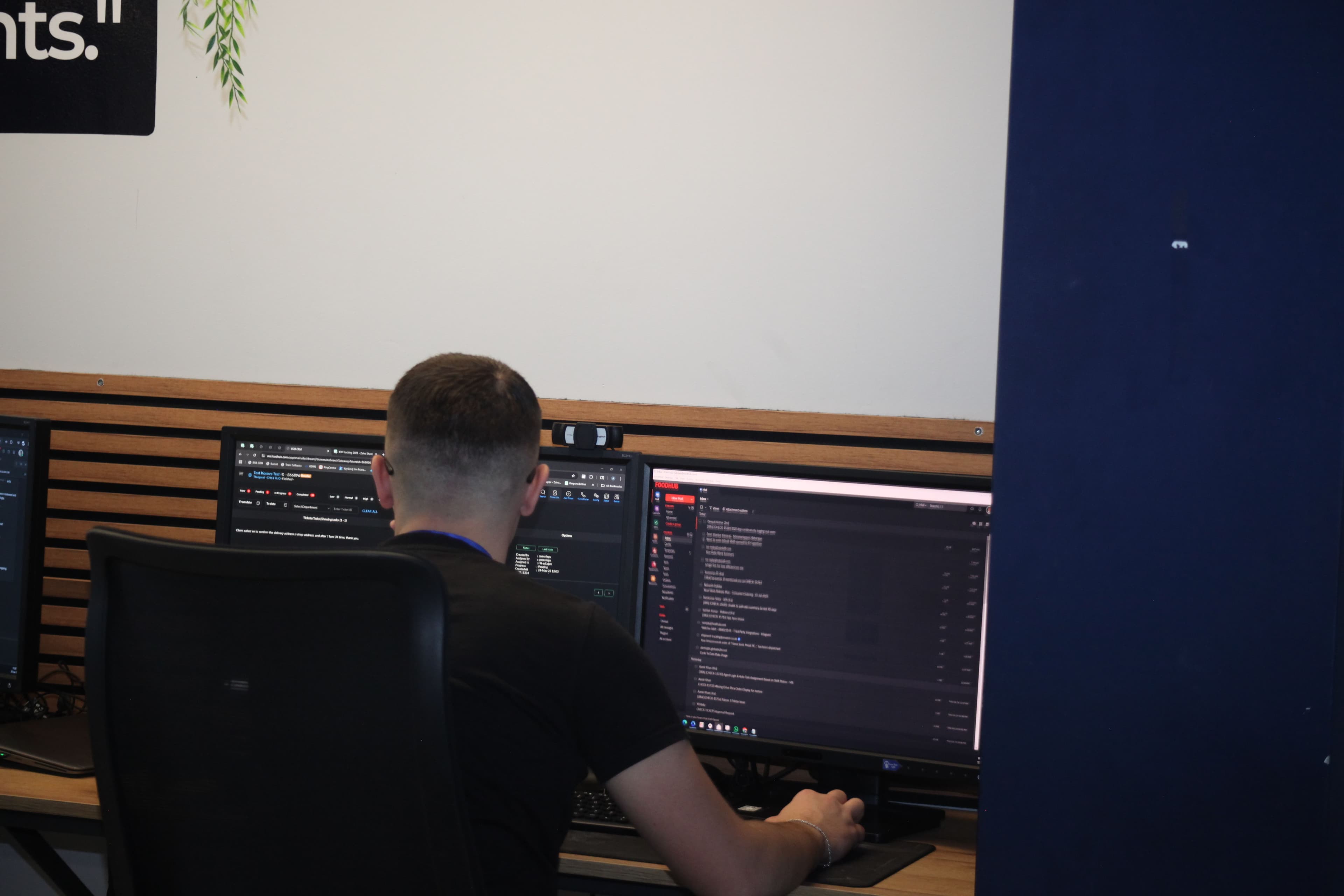
L1 technical support outsourcing means giving a trained first-line team responsibility for initial technical questions, basic troubleshooting, ticket triage, customer updates, and escalation preparation. It is often the support layer that customers meet first and internal specialists rely on most. When it works well, customers get a faster response and engineering, product, or senior support teams receive cleaner information when an issue needs their attention.
For growing companies, L1 support is usually the right place to start outsourcing because the work can be documented, quality checked, and improved through SOPs. It does not require handing over product ownership or complex technical decisions on day one.
What L1 Technical Support Includes
L1 technical support covers first-contact issues that trained agents can resolve through approved steps. This may include account access, password resets, device or browser checks, setup guidance, billing-related access questions, simple product usage questions, known issue communication, and ticket categorization.
The outsourced team can also collect screenshots, error messages, device details, browser versions, timestamps, customer account details, and reproduction steps before escalating. This evidence makes the next support layer more efficient because specialists are not starting from an empty ticket.
Where L1 Ends and Escalation Begins
A reliable L1 operation is clear about its limits. Agents should not guess at fixes that are outside the knowledge base, promise timelines they do not control, or make product decisions. Instead, they should identify the issue type, gather the required information, set the right expectation with the customer, and route the ticket to the correct team.
Good escalation rules define which issues go to L2 support, engineering, account management, billing, or management. They also define priority levels and what must be included in the ticket before escalation. This is where outsourcing succeeds or fails: vague escalation creates delays, duplicate work, and frustrated customers.
How an Outsourced L1 Team Works Inside Client Tools
SD IT Services positions L1 technical support as an operational support function. Agents can work inside client helpdesks, CRMs, telephony systems, chat platforms, ecommerce systems, bug trackers, knowledge bases, and shared reporting workflows. The team follows client SOPs, uses approved macros, tags tickets consistently, and routes issues according to the agreed workflow.
Team leads manage shift coverage, QA sampling, coaching, queue hygiene, and reporting. The client retains control of the product, roadmap, policies, and final technical decisions. The outsourced team provides structured first-line capacity and keeps the customer informed.
What to Prepare Before Outsourcing L1
- A list of common issue types and the approved troubleshooting steps for each.
- Tool access, permission levels, ticket tags, priority definitions, and routing rules.
- Macros for first response, follow-up, known issues, escalation, and closure.
- A QA scorecard covering accuracy, clarity, tone, documentation, and escalation quality.
- A reporting rhythm for volume, backlog, response time, resolution, escalations, and recurring issues.
Buyer Considerations
Before choosing a provider, ask whether the team has a structured onboarding process, how agents are trained on your product, how knowledge base gaps are handled, and who reviews quality. You should also ask how the provider handles shift changes, urgent issues, and updates when your product changes.
A strong L1 partner should make your internal team easier to work with, not add another layer of confusion. The best sign is clean tickets: accurate categories, useful notes, customer context, and a clear reason for escalation.
How to Start Without Losing Control
The safest way to start is with a narrow queue and a written definition of done. For example, the outsourced team may begin with password resets, account access questions, browser checks, setup guidance, and known issue communication. After the first weeks, QA results and escalation notes show whether the team is ready for more issue types.
This staged approach protects the customer experience. It also gives the client time to improve documentation, adjust macros, and identify policy gaps before the outsourced team handles more sensitive work. L1 outsourcing should feel controlled and observable from the beginning, with reporting that shows what is being solved, what is being escalated, and where customers are getting stuck.
What Good Reporting Looks Like
Useful L1 reporting connects volume, quality, and operational blockers. A simple report can show incoming tickets by issue type, response time, resolved versus escalated tickets, recurring defects, aging tickets, and QA notes. The point is not to create a large dashboard. The point is to help the client see whether the first-line team is reducing avoidable interruptions and giving customers clear updates.
CTA: Build a Cleaner First Line of Support
SD IT Services provides technical support outsourcing with trained L1 agents, SOPs, QA, escalation workflows, team leads, and reporting. See how we onboard teams in our process, review our case studies, or contact us to discuss your ticket flow.
Frequently Asked Questions
What is the difference between L1 and L2 technical support?
L1 handles first-line questions, basic troubleshooting, categorization, customer updates, and escalation preparation. L2 handles issues that require deeper product knowledge, advanced investigation, or authority to make more complex technical decisions.
Can outsourced L1 agents work in our helpdesk?
Yes. In most setups, agents work inside the client helpdesk, CRM, chat tool, telephony system, or ecommerce platform so customer history and reporting stay in one place.
Will L1 agents replace our technical team?
No. L1 agents reduce avoidable interruptions and prepare better tickets. Your internal specialists still own deeper troubleshooting, product decisions, engineering fixes, and sensitive escalations.
How is outsourced L1 quality checked?
Quality is managed through onboarding, SOPs, macros, QA scorecards, team lead reviews, escalation audits, and recurring feedback sessions with the client.
Need support teams or a better digital operation?
Talk to SD IT Services.
Related services
Read Also
More SD IT insights.
Outsourcing
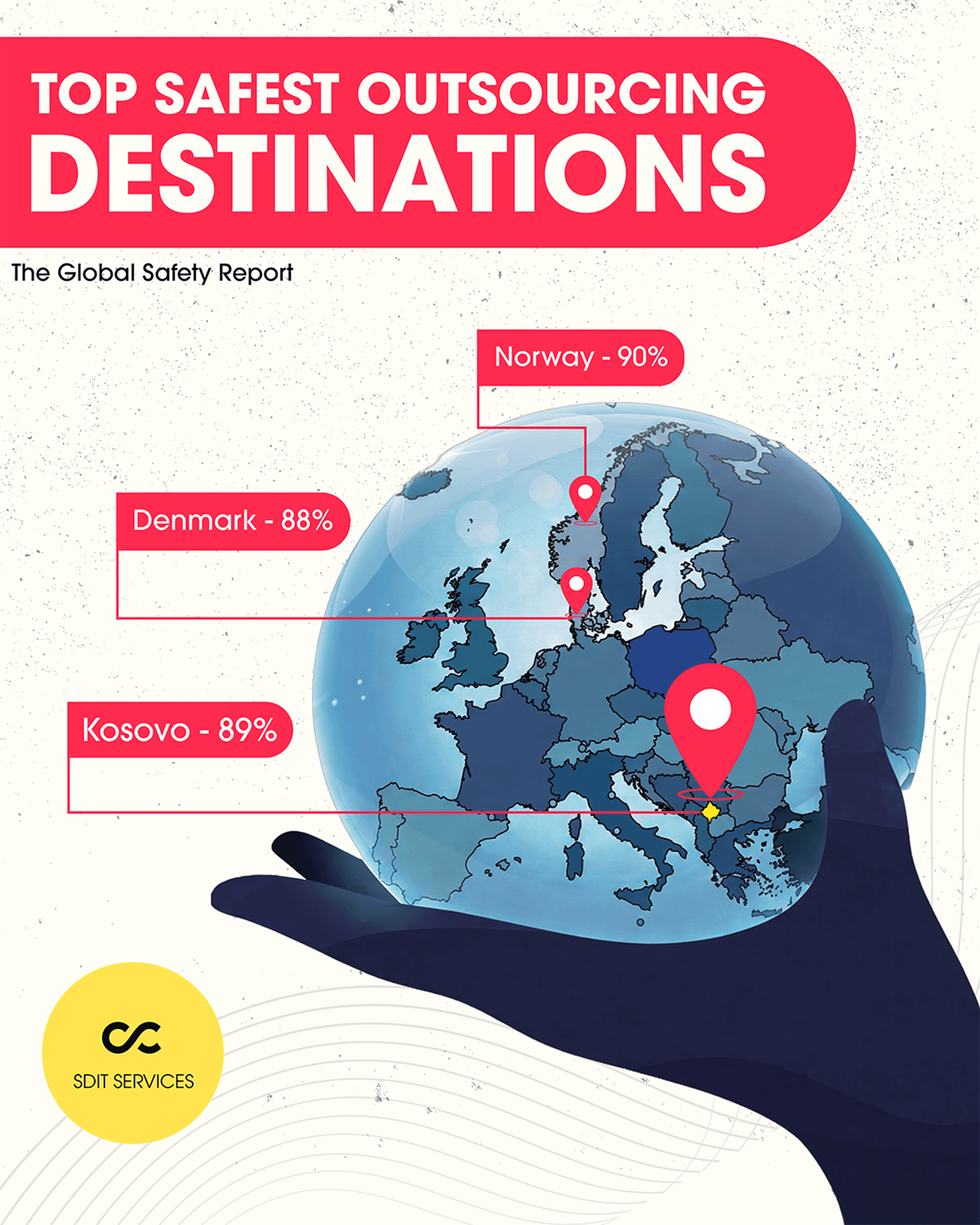
Kosovo Ranks Among the World's Safest Outsourcing Destinations (89%): What the Global Safety Report Means for Your Business
Read article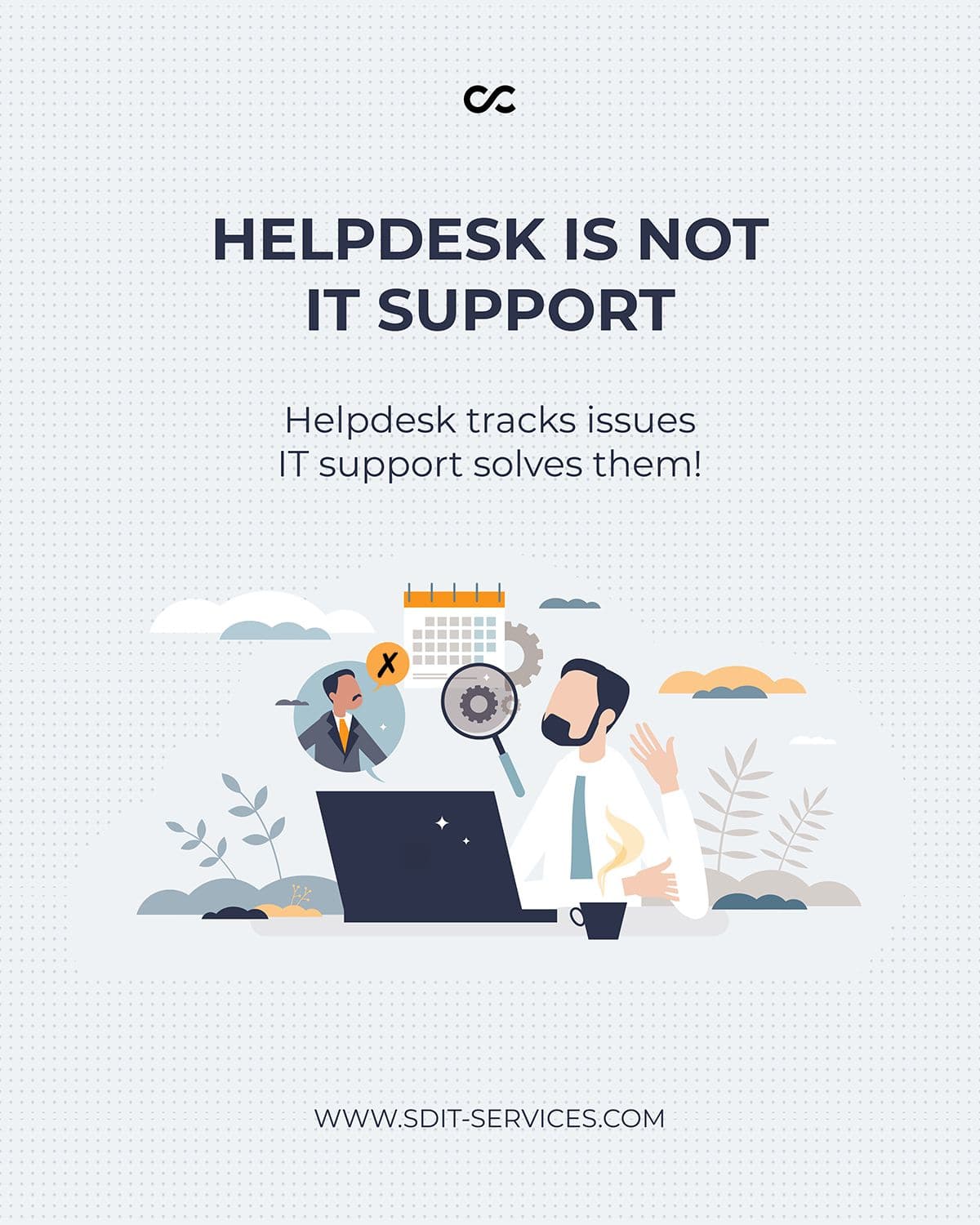
Technical Support
Why Growing Businesses Struggle with Efficiency (And How Better Processes Fix It)
Read article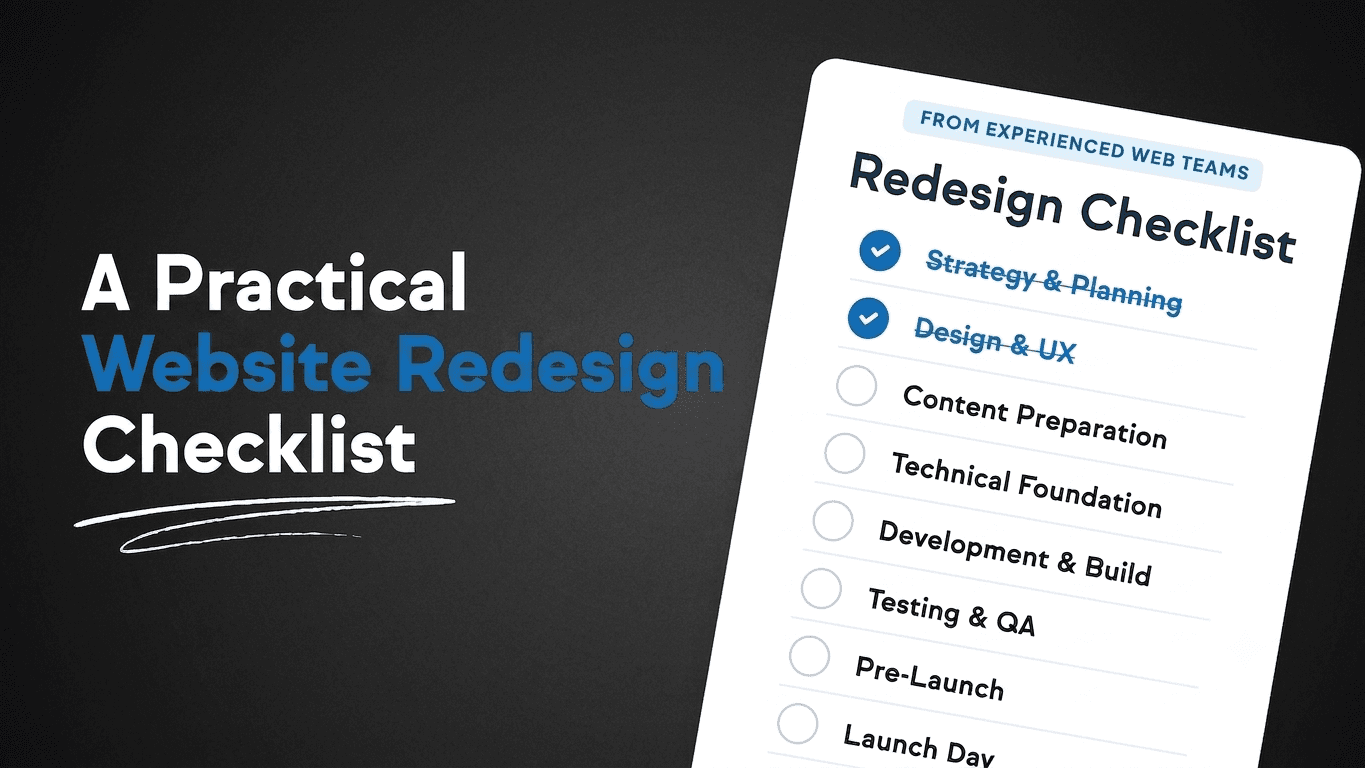
Company
Website Redesign Checklist for Growing Companies
Read articleShare via
Summarize with AI
Copies a prepared prompt with this article title and URL, then opens your selected AI tool.