Live Chat Support Outsourcing: What Companies Should Know
A practical guide to outsourcing live chat support, including scope, tools, QA, escalation paths, coverage, and reporting.
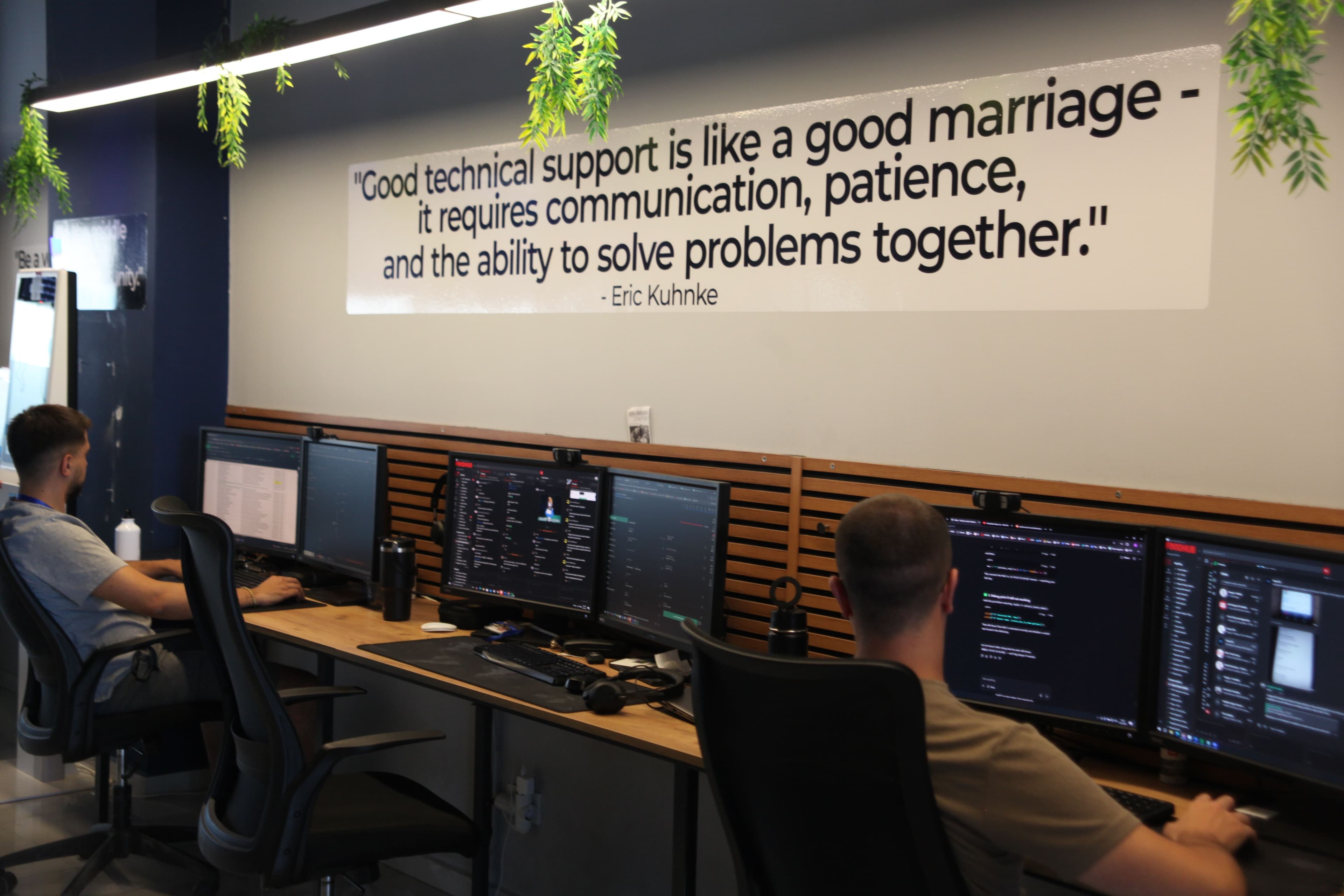
Live chat support looks simple from the outside: a visitor asks a question, an agent replies, and the conversation either becomes a sale, a solved issue, or an escalation. In practice, good live chat depends on staffing, response rules, product knowledge, tone, routing, and clear limits. Companies usually consider outsourcing live chat when website traffic is growing, internal teams are missing conversations, or customer support needs real-time coverage without adding another in-house shift.
The goal is not to replace every customer relationship with a script. The goal is to give customers a reliable first response from trained agents who can work inside your existing tools, follow your SOPs, and escalate correctly when a conversation needs deeper help.
What Live Chat Support Outsourcing Covers
A live chat outsourcing partner can cover pre-sale questions, order and account support, basic troubleshooting, appointment booking, lead capture, handoffs to sales, and status updates for existing customers. The scope should be written in plain language before launch so agents know what they can resolve, what they can promise, and what must be escalated.
For SD IT Services, live chat work is handled as an operational support function. Agents can work in client tools such as a CRM, helpdesk, ecommerce admin, chat platform, telephony system, shared inbox, and knowledge base. The client keeps ownership of the product and policies; the outsourced team handles the queue according to agreed procedures.
When Outsourcing Live Chat Makes Sense
Live chat is a good outsourcing candidate when your questions are repeatable enough to document but important enough that customers expect a fast answer. Common examples include shipping questions, subscription support, booking requests, product availability, login issues, pricing clarification, and handoffs from a website form.
It is less suitable as a first outsourced function when every chat requires a senior internal decision, legal review, or custom commercial negotiation. In those cases, an outsourced team can still triage and gather details, but the resolution path must involve an internal owner.
What to Prepare Before Launch
The handover should start with the customer journeys that create the most chats. For each journey, the team needs approved answers, macros, escalation rules, and tool access. If the chat team is expected to qualify leads, the qualification fields should be defined in the CRM before the first shift starts. If they are handling support, ticket tags and routing rules should be agreed before go-live.
- A knowledge base with product, policy, pricing, delivery, refund, and account information.
- Macros for common answers, written in the brand tone and reviewed by the client.
- Escalation paths for refunds, technical faults, complaints, sales exceptions, and urgent issues.
- QA rules that define what a good chat looks like, including accuracy, tone, ownership, and next steps.
- Reporting expectations for volume, missed chats, response time, outcomes, escalations, and recurring issues.
How Quality Is Managed
Live chat quality is visible immediately because customers experience the conversation in real time. A managed setup needs team leads, QA sampling, feedback loops, and a way to update macros when new questions appear. Without that structure, agents either improvise too much or escalate too often.
A practical operating model includes daily queue checks, weekly QA reviews, recurring calibration with the client, and documented updates when policies change. Team leads monitor coverage, coach agents, and identify where the knowledge base needs improvement. Reporting should focus on useful operational signals, not vanity dashboards.
Coverage, Handoffs, and Shift Planning
Before outsourcing live chat, decide which hours matter most. Some businesses need coverage during European office hours. Others need evening or weekend support because their buyers browse outside normal working hours. The right answer depends on when chats arrive and what the business can support internally after escalation.
Handoffs should also be designed carefully. If a chat becomes a technical ticket, the agent should capture the right information before routing it. If it becomes a sales opportunity, the CRM record should include context, qualification notes, and the requested follow-up. This keeps the outsourced team useful without pretending they own every final decision.
What to Ask a Provider
Ask how agents are trained, who manages QA, how macros are maintained, what happens when volume spikes, and how escalations are documented. Also ask whether agents can work inside your existing systems rather than forcing you into a separate workflow. A live chat partner should adapt to the tools your business already uses when access and security requirements allow it.
SD IT Services provides live chat support outsourcing with trained agents, SOPs, QA, escalation paths, reporting, and shift coverage from Kosovo. You can review our process, browse case studies, or contact us to discuss your chat queue.
Frequently Asked Questions
Can outsourced agents handle both sales and support chats?
Yes, if the scope is clear. Many teams handle first-line sales questions, lead capture, order support, and basic troubleshooting in the same chat platform. Complex sales decisions or deeper technical issues should have a defined escalation route.
Do agents need access to our CRM or helpdesk?
Usually, yes. Live chat works best when agents can see customer context, create tickets, update records, and route follow-ups. Access should be limited to what the team needs and managed through the client tool permissions.
How do you keep chat responses consistent?
Consistency comes from training, macros, QA reviews, and regular updates to the knowledge base. Team leads should review samples and coach agents when tone, accuracy, or escalation handling needs improvement.
Can live chat start with limited hours?
Yes. Many companies begin with their highest-volume hours, then expand coverage once the workflow is stable and reporting shows where additional shifts would be useful.
For the service model behind this guide, see our live chat support outsourcing service page.
Need support teams or a better digital operation?
Talk to SD IT Services.
Related services
Read Also
More SD IT insights.

Outsourcing
Kosovo Ranks Among the World's Safest Outsourcing Destinations (89%): What the Global Safety Report Means for Your Business
Read article
Technical Support
Why Growing Businesses Struggle with Efficiency (And How Better Processes Fix It)
Read article
Company
Website Redesign Checklist for Growing Companies
Read articleShare via
Summarize with AI
Copies a prepared prompt with this article title and URL, then opens your selected AI tool.