How to Build a Customer Support Team Without Hiring In-House
Building a customer support team from scratch takes months and significant cost. This guide explains how to do it through outsourcing instead, without sacrificing quality or control.

Building a customer support team from scratch takes time, budget, and management bandwidth that most companies underestimate until they are already in the middle of it. Recruitment alone can run for weeks. Onboarding adds more time. Turnover resets the clock. Outsourcing is not a shortcut — it is a different model that trades internal headcount for a structured external operation, with its own trade-offs and requirements.
What You Actually Need From a Support Team
Before choosing a model, be clear about what you need. Most growing companies need coverage across email and live chat during business hours, a defined first-response window, consistent tone and quality, and a mechanism to escalate issues that require deeper knowledge. Depending on your product, you may also need evening or weekend coverage, multilingual capability, or technical support beyond basic troubleshooting.
These requirements drive the model. A small volume of complex queries might be best handled in-house. A high volume of standard queries is exactly where outsourcing delivers the most value. Understanding your ticket mix before you choose a structure saves significant time later.
What Outsourcing Gives You That Hiring Does Not
When you hire in-house, you take on the full employment cost and management responsibility for every agent on your team. When you outsource, you are buying capacity that is already hired, trained in support processes, and managed by a provider whose core business is running support operations.
Practically, this means you can scale up or down without the lead time of recruitment. You can add weekend coverage without creating internal shift complexity. And you can get an experienced team operational in weeks rather than months. The trade-off is that the team is not exclusively yours — unless you opt for a dedicated model — and the relationship requires clear communication and good documentation to work well.
How to Structure an Outsourced Team That Feels Like Yours
The best outsourced support teams are ones that customers cannot distinguish from in-house teams. Achieving this requires work on your side, not just the provider's. The three things that make the biggest difference are:
- A detailed tone-of-voice guide that explains how your brand communicates, including examples of good and poor responses
- A regularly updated knowledge base the team can act from, covering your most common queries and the product decisions behind your policies
- A designated internal contact who reviews escalations and flags patterns to the provider — not someone who only receives monthly reports
Teams that are handed a generic onboarding document and left to figure out the product on their own will produce generic support. Teams that are treated as an extension of the company — given context, feedback, and access to product updates — produce work that reflects your brand.
Setting Up Knowledge Transfer and Training
The knowledge transfer phase is the most important part of an outsourcing engagement and the most commonly underinvested one. Before your outsourced team handles a single live ticket, they need to know:
- What your product does and how customers typically use it
- What your most common queries are and the correct answers to them
- How you expect agents to handle queries that do not have a clear answer in the knowledge base
- What the escalation path looks like for each type of issue
- What response templates exist and where the agent has discretion to deviate from them
The more complete and usable this material is before the team goes live, the shorter the period of elevated escalation rates and quality variation in the first weeks.
What to Measure in the First Quarter
In the first 90 days, the metrics that matter most are: first response time against SLA, first-contact resolution rate, escalation rate, and customer satisfaction score. These four together give you a clear picture of whether the team is performing to standard and learning the product at the expected pace.
If you are exploring what a fully managed outsourced support operation looks like, our customer support outsourcing page for European companies covers how we set up and run these teams. You can also see our process page for a step-by-step overview, or contact us to talk through your situation.
Frequently Asked Questions
How is an outsourced support team different from a staffing agency?
A staffing agency places individual employees who work under your management. An outsourced support provider delivers a managed team — recruitment, training, quality control, and operations are the provider's responsibility. You define outcomes, SLAs, and scope; the provider manages the people and processes to deliver them.
Will an outsourced team understand my product well enough?
With proper onboarding and documentation, yes. The onboarding phase is where this is either built or missed. Providers who take knowledge transfer seriously have a structured process for learning the product before going live. Ask about this specifically when evaluating providers.
How do I maintain quality control when the team is external?
Regular QA reviews, agreed satisfaction score targets, and a clear escalation path for quality issues are the standard mechanisms. The most effective clients also designate an internal person who reviews samples of conversations weekly and flags emerging issues early.
What happens when my product changes or I add new features?
You need to keep your outsourced team updated in the same way you would update an in-house team — ideally with notice before the change goes live. Most providers have a process for handling product updates; confirm this as part of your contract discussions.
Can an outsourced team handle social media support?
Yes, though social media requires specific guidelines around public-facing responses, tone, and escalation. It is usually better to add this once your core email and live chat operation is stable rather than managing all channels from the start of an engagement.
Need support teams or a better digital operation?
Talk to SD IT Services.
Related services
Read Also
More SD IT insights.
Outsourcing
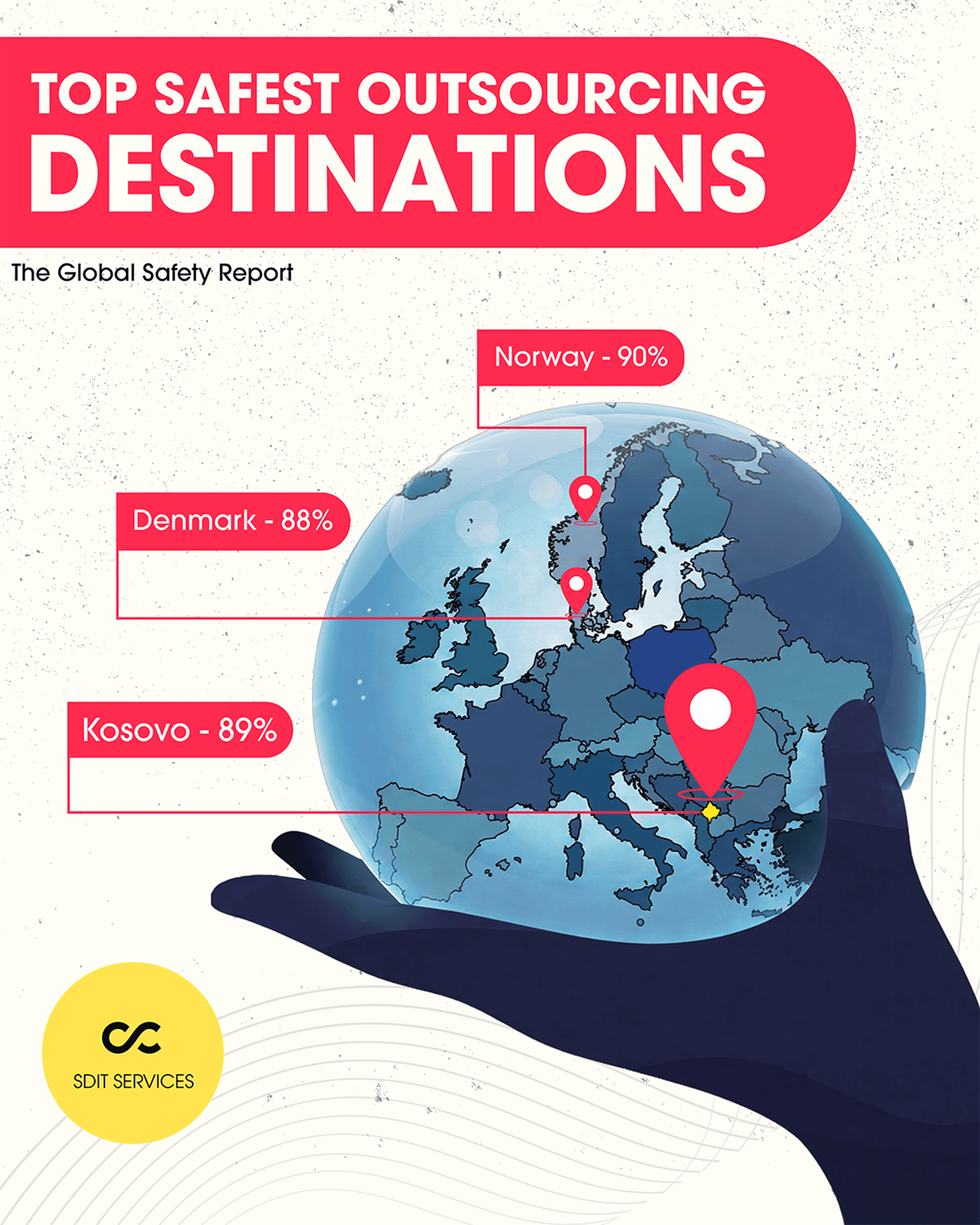
Kosovo Ranks Among the World's Safest Outsourcing Destinations (89%): What the Global Safety Report Means for Your Business
Read article
Technical Support
Why Growing Businesses Struggle with Efficiency (And How Better Processes Fix It)
Read article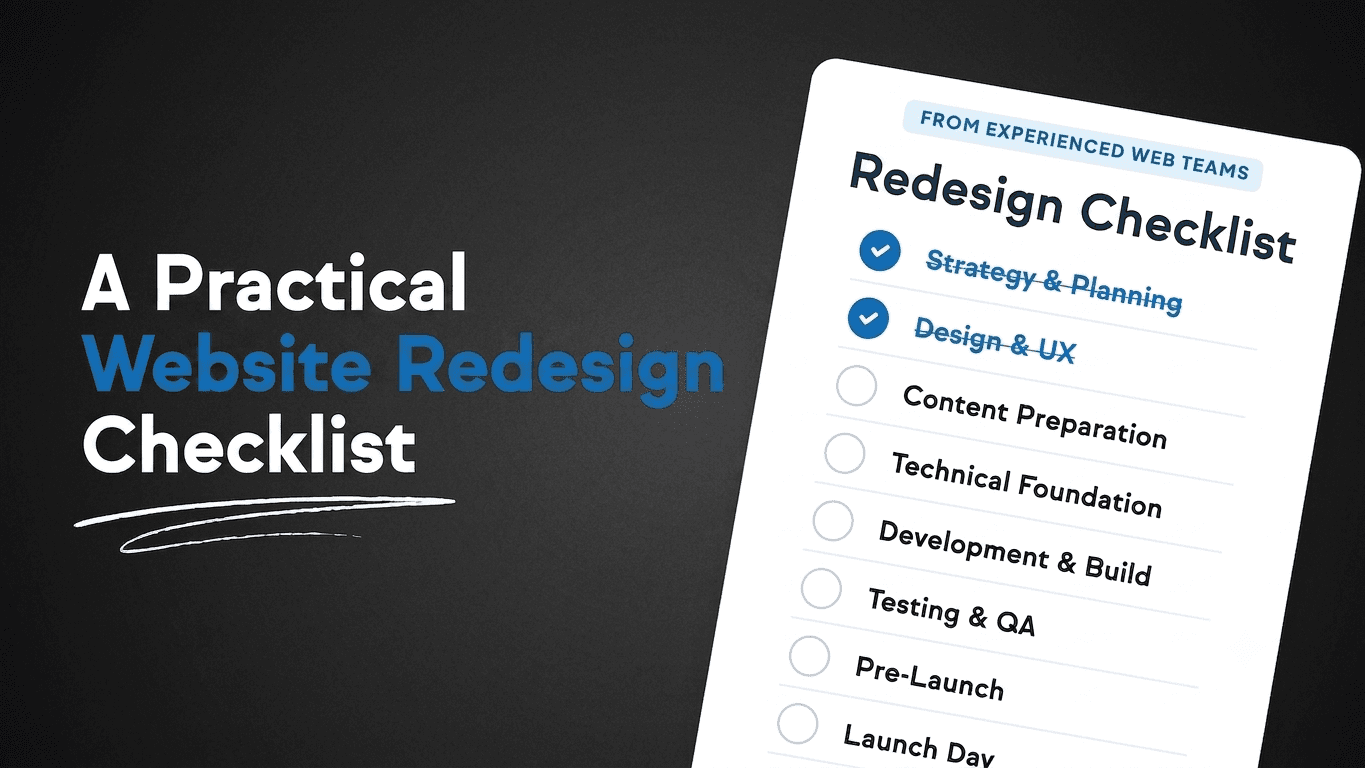
Company
Website Redesign Checklist for Growing Companies
Read articleShare via
Summarize with AI
Copies a prepared prompt with this article title and URL, then opens your selected AI tool.