Technical Support Outsourcing for SaaS Companies
For SaaS companies, technical support is directly tied to retention. This guide covers how to outsource it effectively while keeping quality high.
For a SaaS company, technical support is directly connected to retention. When users cannot get a product working, cannot find an answer quickly, or feel unsupported after a bug or configuration issue, churn follows. Outsourcing technical support for SaaS is not just a cost decision — it is an operational decision that affects how customers experience your product when things go wrong.
Why SaaS Support Has Different Requirements
SaaS support differs from standard customer service in a few important ways. The queries are more technical by nature. Customers are often inside the product when they raise an issue, so responses need to be precise and immediately actionable. The support team needs to understand software interfaces, user permissions, integrations, and product behaviour well enough to guide a user through a resolution without seeing their screen.
There is also a faster feedback loop between support quality and business outcomes. A user who cannot resolve a technical issue within a reasonable timeframe either churns or submits a ticket that escalates beyond what L1 can handle. Either outcome has a measurable cost. Support quality in SaaS is not just a customer experience metric — it is a retention metric.
What SaaS Technical Support Typically Covers
Depending on the product, SaaS technical support at L1 and L2 levels covers:
- Onboarding queries from new users — setup, configuration, feature discovery
- Integration questions — how the product connects to third-party tools the customer uses
- User permissions and access management
- Bug reports — logging them accurately, checking for known issues, providing workarounds where available
- Billing and subscription queries that require account-level access
- Feature explanation — when users do not know how to use something the product already supports
The common thread is that SaaS support agents need enough product knowledge to diagnose the type of issue accurately before they can respond usefully. This is why knowledge transfer before an outsourced SaaS team goes live is more intensive than for a basic customer service operation.
The Retention Argument for Outsourcing
One of the practical arguments for outsourcing SaaS technical support is speed of coverage. Internal technical teams are expensive and slow to scale. When a SaaS product grows user volume faster than expected, internal support teams can quickly become the bottleneck — driving up response times, increasing ticket backlog, and creating a customer experience problem the product team did not anticipate.
An outsourced team can add capacity faster than internal recruitment allows. It can cover extended hours or weekend support without the shift complexity of managing it in-house. And because the provider's core business is support operations, quality management and agent training are handled by people whose job is exactly that.
What to Look for in a SaaS Support Provider
When evaluating providers for SaaS technical support, look for evidence that they understand the difference between customer service and technical support. Ask specifically about their onboarding process for technical products, how they handle product updates and new features, how they manage the L1-to-L2 escalation path when your internal team is the L2, and what their QA process looks like for technical accuracy.
Providers who primarily handle retail customer service or basic helpdesk queries may not have the right baseline for SaaS technical support. Look for those with demonstrated experience in software products, structured onboarding processes, and a clear understanding of how support integrates with internal engineering teams.
Key Metrics for SaaS Technical Support
Track these four metrics in your first quarter: first response time, first-contact resolution rate, escalation rate, and customer satisfaction score. The escalation rate is particularly informative — a high escalation rate in the first months suggests the knowledge base is incomplete or the L1 scope is too broad. Both are fixable, but you need the data to know which issue you are dealing with.
For a structured view of how we handle technical support outsourcing for SaaS companies, visit our technical support outsourcing page. You can also review our technical support services page for scope details, or contact us to discuss your product.
Frequently Asked Questions
How technical do outsourced SaaS support agents need to be?
It depends on the tier. L1 agents need to be comfortable with software interfaces, basic troubleshooting methodology, and following technical documentation accurately. They do not need to be developers. L2 agents need deeper product knowledge and comfort with more complex investigation. Define the tier scope clearly during provider discussions.
How do I keep an outsourced team updated when we release new features?
Build a release communication process that treats your outsourced team the same as an internal team. Send update notes before features go live, update the knowledge base, and schedule brief product walkthroughs for significant releases. Providers experienced with SaaS clients will have a process for this — ask about it during selection.
Can outsourced support agents access our SaaS platform directly?
Yes, and for most SaaS support functions they will need to. Define exactly which access permissions agents require — typically read access to customer accounts and the ability to perform specific actions like resetting user states or modifying subscription details. Document what they can and cannot do in your knowledge base.
What is the difference between outsourcing L1 and L2 SaaS support?
L1 handles first-contact resolution using documented steps and a knowledge base. L2 requires deeper investigation, product understanding, and often involves coordination with internal engineering or product teams. L1 is the natural starting point for outsourcing; L2 typically follows once L1 is stable and trust is established.
Is outsourced technical support appropriate for early-stage SaaS companies?
It can be, but the investment in knowledge transfer and onboarding is the same regardless of company size. If your product is changing rapidly or your documentation is minimal, the overhead of onboarding an outsourced team may not be worth it until the product stabilises. For a more stable product at any stage, outsourcing makes sense once volume warrants it.
Need support teams or a better digital operation?
Talk to SD IT Services.
Related services
Read Also
More SD IT insights.
Outsourcing
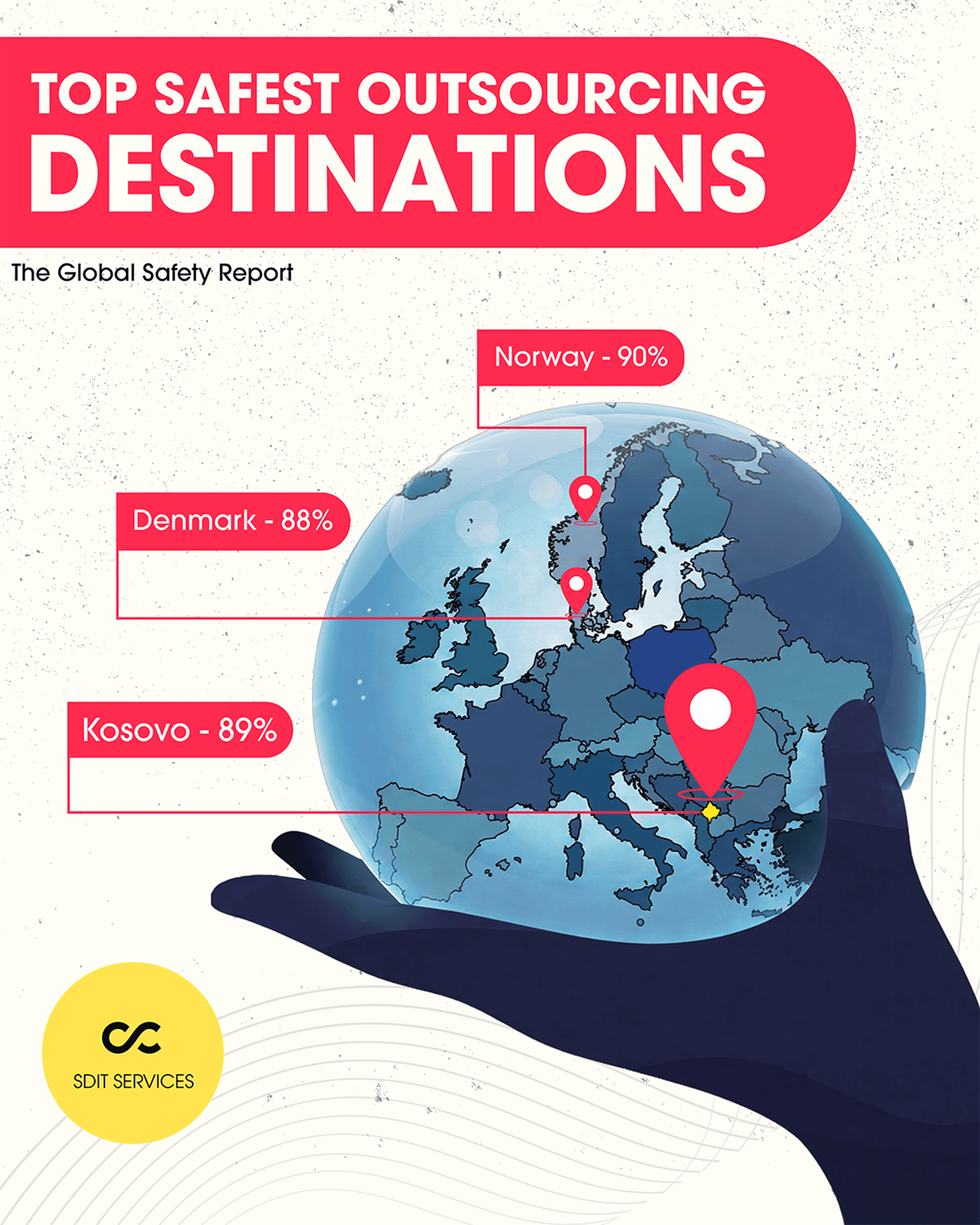
Kosovo Ranks Among the World's Safest Outsourcing Destinations (89%): What the Global Safety Report Means for Your Business
Read article
Technical Support
Why Growing Businesses Struggle with Efficiency (And How Better Processes Fix It)
Read article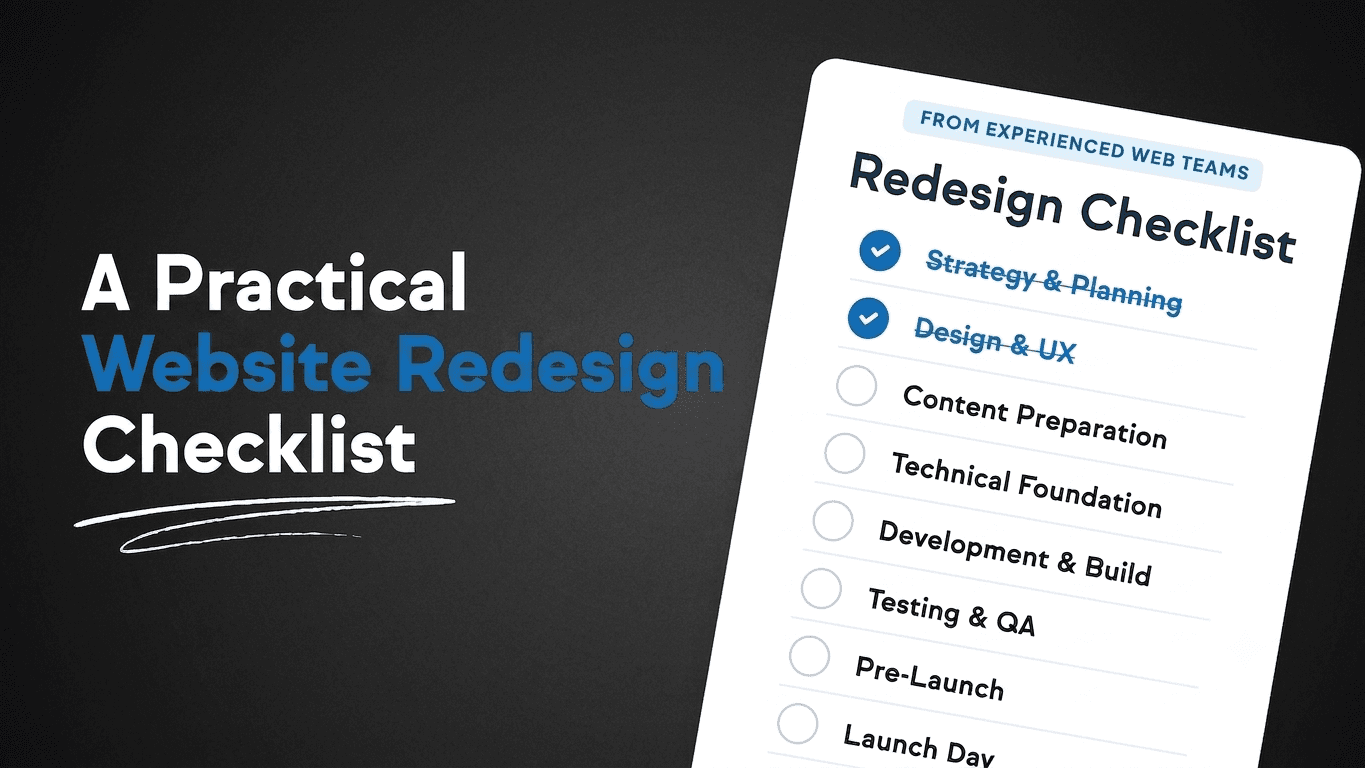
Company
Website Redesign Checklist for Growing Companies
Read articleShare via
Summarize with AI
Copies a prepared prompt with this article title and URL, then opens your selected AI tool.