What Makes a Business Website SEO-Ready?
SEO-ready business websites combine clear structure, useful content, speed, accessibility, forms, analytics, and internal links.

An SEO-ready business website is not a site that has a keyword added to every page. It is a website that search engines can crawl, users can understand, and sales teams can trust as a clear explanation of what the business does. For service companies, that usually means clean structure, focused pages, useful content, fast loading, accessible design, reliable forms, analytics, and metadata that matches the actual offer.
SEO readiness should be considered before launch, not patched on afterward. When structure, content, and technical basics are planned early, the website is easier to maintain and less likely to need expensive rework.
Clear Service Structure
A business website needs pages that match how buyers search and compare providers. A vague services page is rarely enough. If a company offers customer support, technical support, website development, SEO, or back-office support, each major service should have its own page with a clear headline, explanation, process, use cases, FAQs, and next step.
The same principle applies to blog content. Informational articles should support service pages by answering practical buyer questions and linking back to the relevant service. That gives users a useful path from research to contact.
Content That Helps Buyers Decide
SEO-ready content is specific enough to be useful. It explains what the service includes, who it is for, what the process looks like, what the buyer needs to prepare, and where the limits are. This is especially important for BPO and support services because buyers need to understand workflows, QA, escalation paths, reporting, team leads, and tool access before they can evaluate fit.
For business websites, avoid empty claims. A page that says "we deliver excellence" tells the buyer almost nothing. A page that explains how the team uses SOPs, client tools, macros, routing, QA reviews, and reporting gives the buyer something real to assess.
Technical Foundations
Technical SEO does not need to be mysterious. The basics include crawlable pages, clean URLs, correct metadata, logical headings, internal links, XML sitemap coverage for published pages, no accidental draft URLs, responsive layouts, compressed images, and stable performance. These elements help search engines understand the site and help users move through it.
Speed also matters because slow pages lose attention. A practical website build should consider image sizes, script weight, caching, hosting, layout stability, and mobile performance. The goal is not to chase a perfect score at the expense of usability. The goal is a site that loads reliably and feels professional on the devices buyers actually use.
Accessibility and Conversion Basics
SEO readiness and accessibility overlap. Clear headings, readable text, descriptive links, keyboard-friendly forms, useful alt text, and sufficient contrast help both users and search engines. These details also make the site easier for real buyers to use.
Conversion basics matter too. Contact forms should work, thank-you states should be clear, phone and email links should be easy to find, analytics should capture meaningful actions, and service pages should guide users toward the next step without pressure.
Internal Links and Measurement
Internal links connect the website into a coherent system. Blog posts should link to service pages, service pages should link to process and case studies where relevant, and navigation should make core pages easy to reach. This helps users compare options and helps search engines understand page relationships.
Measurement should be set up from the start. Analytics, form tracking, and conversion events help the business understand which pages attract qualified visitors and where the site needs improvement. Without measurement, SEO decisions become guesswork.
What Often Gets Missed
Many business websites look finished but are not ready for search or conversion. Common gaps include thin service pages, duplicated title tags, forms that do not confirm submission clearly, missing analytics events, weak mobile layouts, oversized images, and navigation that hides the pages buyers need most. These issues are easier to fix during the build than after the site is live.
Another common gap is content ownership. A website can have strong design and still underperform if the service descriptions are vague. Before launch, each important page should answer the buyer questions that matter: what is offered, who it is for, how the work is delivered, what the next step is, and why the provider is credible without relying on unsupported claims.
What SD IT Services Builds For
SD IT Services approaches website development as practical business website work: structure, content clarity, responsive design, SEO basics, speed, accessibility, forms, analytics, and conversion paths. The aim is not to build unnecessary complexity. The aim is to create a website that explains the business clearly and gives buyers a direct path to make contact.
CTA: Build a Website That Can Be Found and Used
See our website development service for business websites, SEO-ready structure, forms, analytics, and launch support. You can also review our process, browse case studies, or contact us to discuss a website project.
Frequently Asked Questions
Does an SEO-ready website guarantee rankings?
No. SEO-ready means the website has the structure, content, technical basics, and measurement needed to compete. Rankings also depend on competition, authority, content quality, and ongoing improvement.
Should every service have its own page?
Major services should usually have dedicated pages. This gives buyers clearer information and gives search engines a more specific page to understand and rank.
What should be checked before launch?
Check metadata, headings, mobile layout, page speed, forms, analytics, internal links, redirects if URLs changed, sitemap coverage, accessibility basics, and whether every key page has a clear next step.
Can blog content support service pages?
Yes. Helpful blog posts can answer buyer questions and link to relevant service pages, process pages, case studies, and contact pages. The content should be genuinely useful rather than written only to contain keywords.
Need support teams or a better digital operation?
Talk to SD IT Services.
Related services
Read Also
More SD IT insights.
Outsourcing
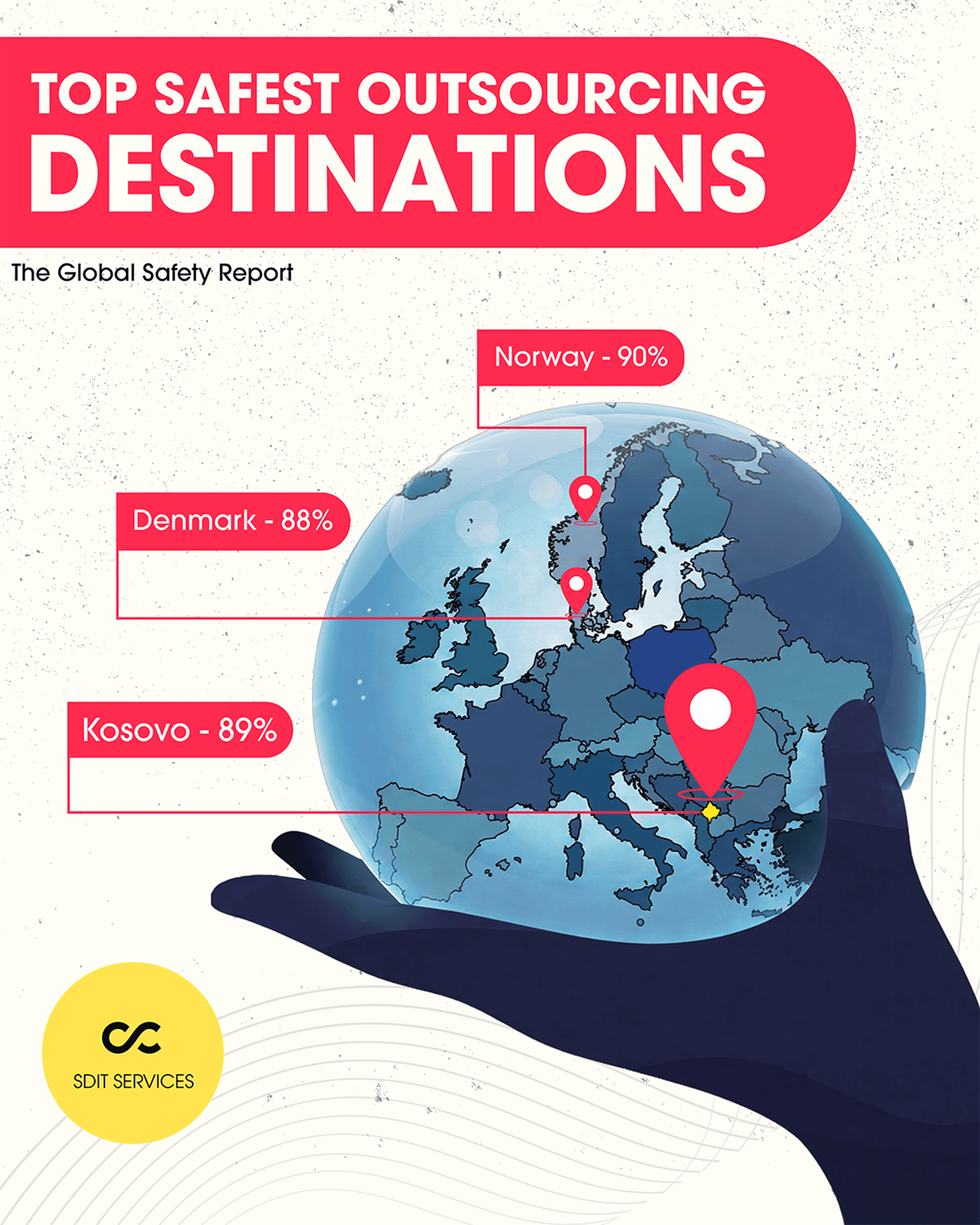
Kosovo Ranks Among the World's Safest Outsourcing Destinations (89%): What the Global Safety Report Means for Your Business
Read article
Technical Support
Why Growing Businesses Struggle with Efficiency (And How Better Processes Fix It)
Read article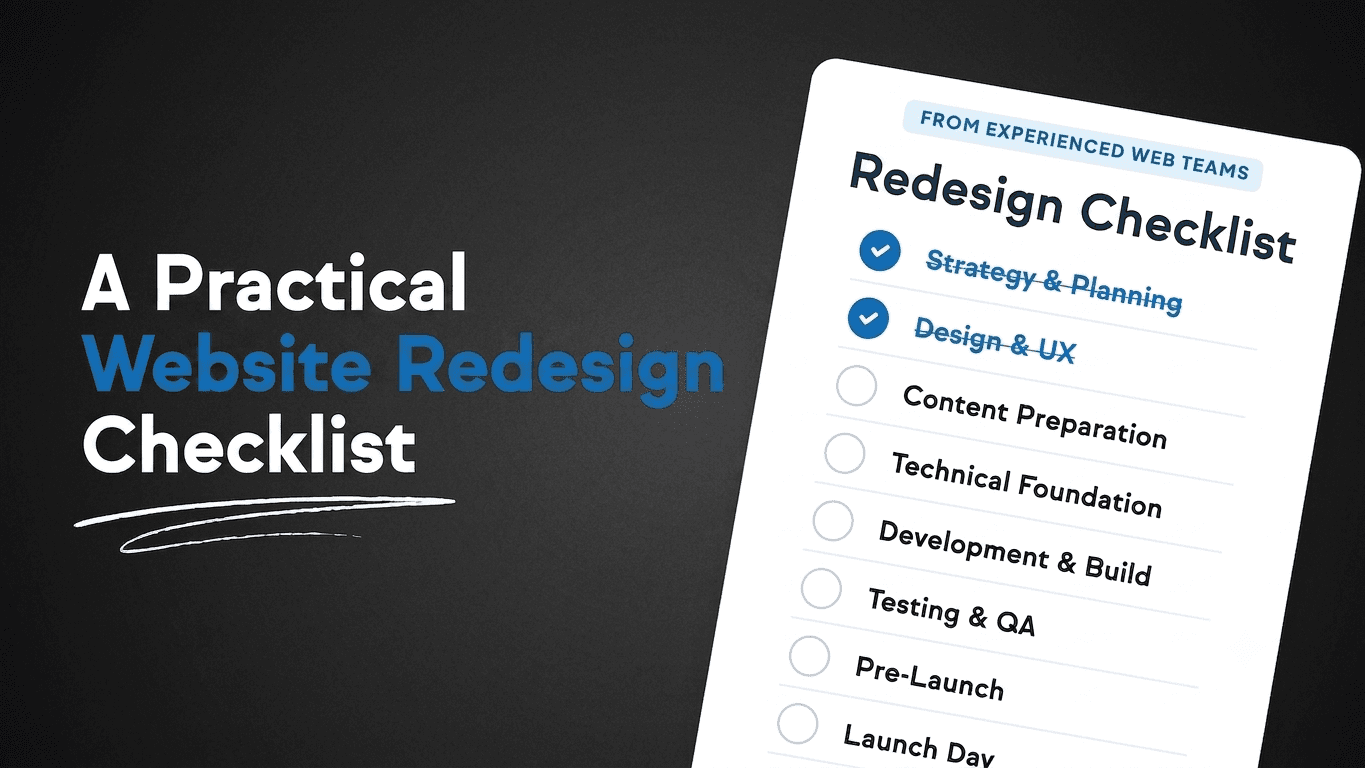
Company
Website Redesign Checklist for Growing Companies
Read articleShare via
Summarize with AI
Copies a prepared prompt with this article title and URL, then opens your selected AI tool.