24/7 Support: What Changes When You Never Go Offline
4/7 support isn't just about being available — it's about what happens when you are. Discover how round-the-clock support changes revenue, retention, and operations.
The Problem with "Business Hours" in a Global Market
When a customer hits a billing issue at 11 PM, they're not waiting until morning. They're switching tabs, reading reviews, and quietly deciding whether your company is worth the frustration. By the time your inbox opens, they may already be gone.
This is the baseline reality for any business operating in a digitally connected market — ecommerce, SaaS, fintech, hospitality, or professional services. Your customers are active across time zones, across devices, and across hours that your internal team simply cannot cover without burning out or overspending.
24/7 support isn't a luxury reserved for enterprise companies anymore. It's a structural decision that affects revenue, retention, and how your brand is perceived under pressure. Let's examine exactly what shifts when you make your support operation truly round-the-clock.
What 24/7 Support Actually Changes Inside Your Business
1. Response Time Becomes a Conversion Variable
Speed of response isn't just a customer satisfaction metric — it's directly tied to sales outcomes. A prospect filling out a form at 2 AM wants to know someone is there. A user hitting an error during onboarding needs a resolution before their trial window closes. When no one responds until 9 AM, that lead is cold and that user is churned.
With a properly structured round-the-clock support team, response times compress to minutes regardless of when the inquiry arrives. That compression has a measurable effect on conversion rates, trial-to-paid upgrades, and cart recovery in ecommerce environments.
"Being available 24/7 isn't about having someone online. It's about having the right person, trained on your product, ready to resolve — not just acknowledge — an issue at any hour."
2. After-Hours Inquiries Stop Becoming Lost Revenue
The hours between 6 PM and 9 AM represent a significant portion of inbound activity for most online businesses. That's not a small window to cover — it's roughly 15 hours every weekday, and the full 24 on weekends. Sales inquiries, support tickets, upsell requests, billing questions — these all arrive outside the 9-to-5 bracket.
Without outsourced customer support filling those gaps, your business is essentially operating a self-service model by default. The difference is that self-service was never the brand experience you promised.
3. Operational Incidents Get Contained Early
For SaaS platforms and fintech companies especially, a service disruption at the wrong hour can turn a minor incident into a major reputation event. Without a live support function, a single system anomaly goes unanswered, escalates on social media, and becomes a crisis by morning.
A trained, 24/7 operational support team can acknowledge, triage, and escalate incidents in real time — containing the damage before it compounds. This capability alone justifies the cost of extended coverage for many B2B and B2C technology companies.
4. Global Coverage Becomes Realistic, Not Just a Pitch
If your customers are in three different continents, running support from a single regional office means someone is always being underserved. True support team scalability means matching coverage to your customer geography — not just your headquarters timezone.
With outsourced teams, you can align support shifts with your actual customer distribution — covering North American hours, European mornings, and APAC evenings through coordinated, remote-staffed operations without building offices in three countries.
5. Internal Teams Stop Being the Last Line of Defense
In smaller businesses, 24/7 support often translates into one or two internal people being on-call at all times. This is unsustainable. It creates burnout, reactive decision-making, and a support culture built on individual heroics rather than operational structure.
When you outsource extended coverage to a trained team, your internal staff can focus on complex issues, product knowledge development, and escalation management — rather than answering the same password reset question at midnight.
The Business Case by Industry
Industries where 24/7 support delivers the highest operational impact
- Ecommerce: Order issues, shipping disputes, return requests, and checkout failures happen at all hours. Post-purchase support directly affects repeat purchase rates.
- SaaS: Onboarding friction, feature confusion, and technical errors don't respect time zones. Real-time support reduces churn during the critical first 30 days.
- Fintech: Transactions, account access, and compliance queries are time-sensitive by nature. Delayed support in fintech doesn't just frustrate — it creates regulatory and reputational exposure.
- Hospitality: Booking modifications, travel emergencies, and complaint handling require immediate human response. A 12-hour delay on a booking issue is irreversible.
- Service businesses: Quote requests, scheduling, and follow-up inquiries sent outside hours are often won or lost based on who responds first.
The Difference Between Being "Online" and Running a 24/7 Operation
There's a meaningful distinction between having someone technically available and running a structured support operation around the clock. Many companies confuse the two — and it shows in their customer experience.
Being "online all day" might mean a single agent handling volume beyond their capacity, lacking the context to resolve issues without escalation, or relying on scripts that don't map to real customer situations. A structured 24/7 support operation is built differently: shift-based coverage with clear handoff protocols, tiered escalation paths, product-specific training, quality assurance, and performance metrics that span all hours — not just business hours.
This is the standard that serious businesses should be building toward — and it's what separates brands that retain customers from brands that merely respond to them.
Common Mistakes Businesses Make When Trying to Offer 24/7 Support
- 01Relying on chatbots as a substitute for human coverage
Automation handles FAQs. It doesn't handle nuanced complaints, technical issues, or emotionally charged situations. Replacing overnight human coverage with a chatbot rarely reduces churn — it shifts it.
- 02Putting existing team members on extended shifts
Asking your current support staff to work nights or weekends might plug the gap short-term, but it creates fatigue, turnover, and inconsistent quality. It's a band-aid, not a strategy.
- 03Hiring locally for overnight coverage without infrastructure
Bringing in in-house staff for overnight roles requires redundant recruitment, onboarding, management, and HR overhead — at a cost that rarely makes sense without significant existing support volume.
- 04Measuring 24/7 performance only on availability, not quality
Presence without resolution is theater. Companies that expand to 24/7 coverage without implementing quality frameworks across all shifts often see satisfaction scores drop, not rise.
- 05Delaying the decision until the volume justifies it
The cost of missed inquiries, churn, and negative reviews during your "waiting" period is rarely calculated. By the time most businesses decide they need 24/7 support, they've already paid for the absence of it.
Why Outsourcing Is the Most Efficient Path to 24/7 Coverage
Building an in-house overnight support team from scratch involves recruiting, onboarding, managing, and retaining staff across shifts that most candidates don't prefer. The infrastructure cost — tools, supervision, QA, training — is substantial before a single ticket is resolved.
Customer service outsourcing allows you to activate structured, trained support coverage without rebuilding your internal operations. You get shift-based teams already equipped with onboarding protocols, quality standards, and the capacity to scale as your volume grows — without proportional overhead growth on your end.
More importantly, a specialist BPO partner brings process maturity that most businesses don't have the time to build in-house. Escalation frameworks, CSAT benchmarking, multi-channel handling, and handoff documentation — these aren't built in weeks. They're built through years of support operations, and a qualified outsourcing partner brings that foundation with them.
For growing companies that need reliable 24/7 coverage without committing to the cost and complexity of an in-house overnight operation, technical support outsourcing through a trusted partner is the most operationally sound path forward.
Conclusion: 24/7 Support Isn't a Staffing Decision — It's a Business Strategy
When your support is available around the clock, your business changes in ways that aren't always visible on day one. Fewer missed opportunities. Faster incident containment. Stronger customer trust. Reduced pressure on your internal team. Better coverage for global customers. These aren't small improvements — they compound over time into a measurable competitive advantage.
The question isn't whether your business needs 24/7 support. The question is whether you're building it the right way — with the structure, quality, and scalability that actually delivers the outcomes you're aiming for.
If you're evaluating what a professional, outsourced support operation could look like for your business, that conversation starts with understanding your current gaps and where coverage would move the needle most.
Need support teams or a better digital operation?
Talk to SD IT Services.
Related services
Read Also
More SD IT insights.
Outsourcing
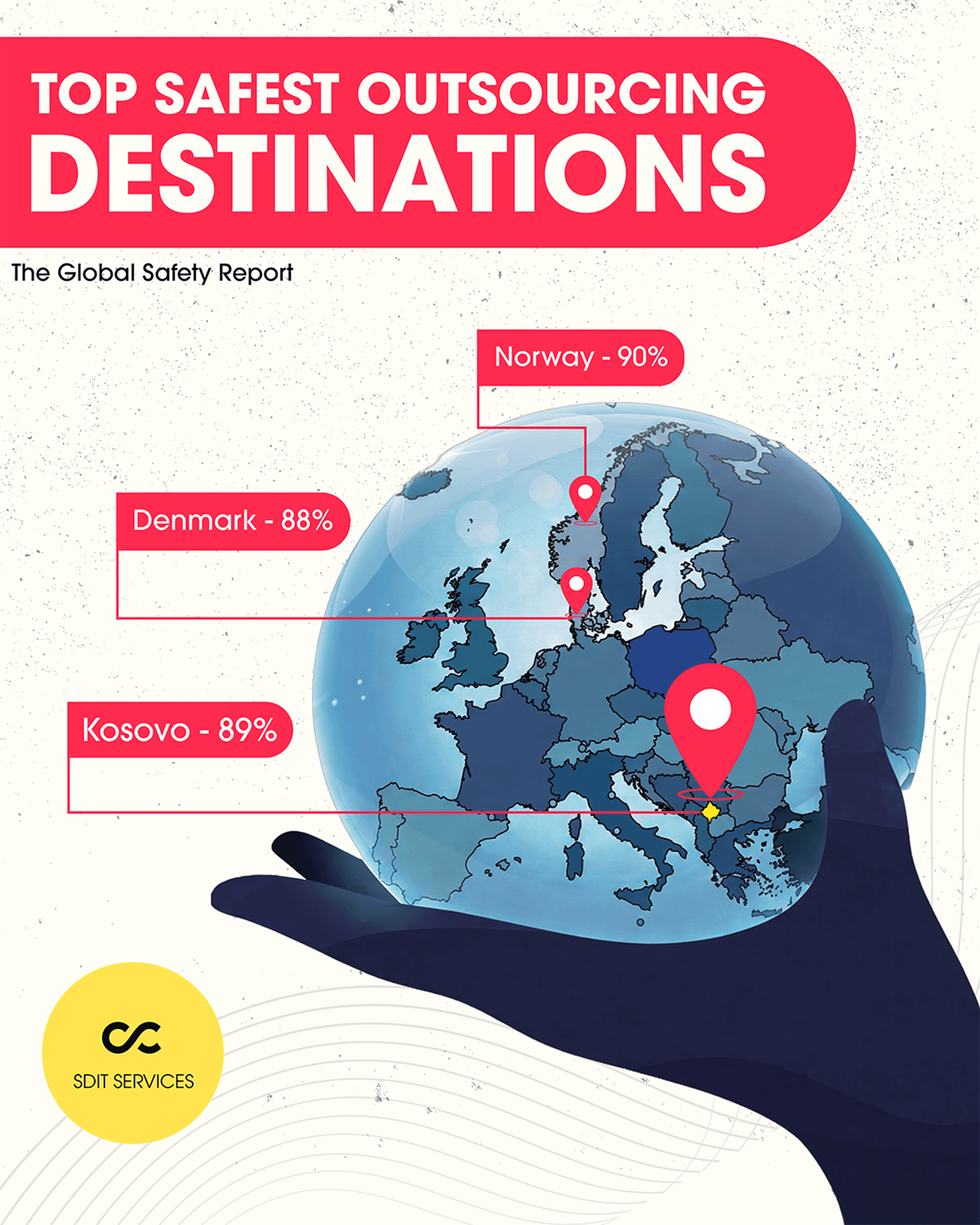
Kosovo Ranks Among the World's Safest Outsourcing Destinations (89%): What the Global Safety Report Means for Your Business
Read article
Technical Support
Why Growing Businesses Struggle with Efficiency (And How Better Processes Fix It)
Read article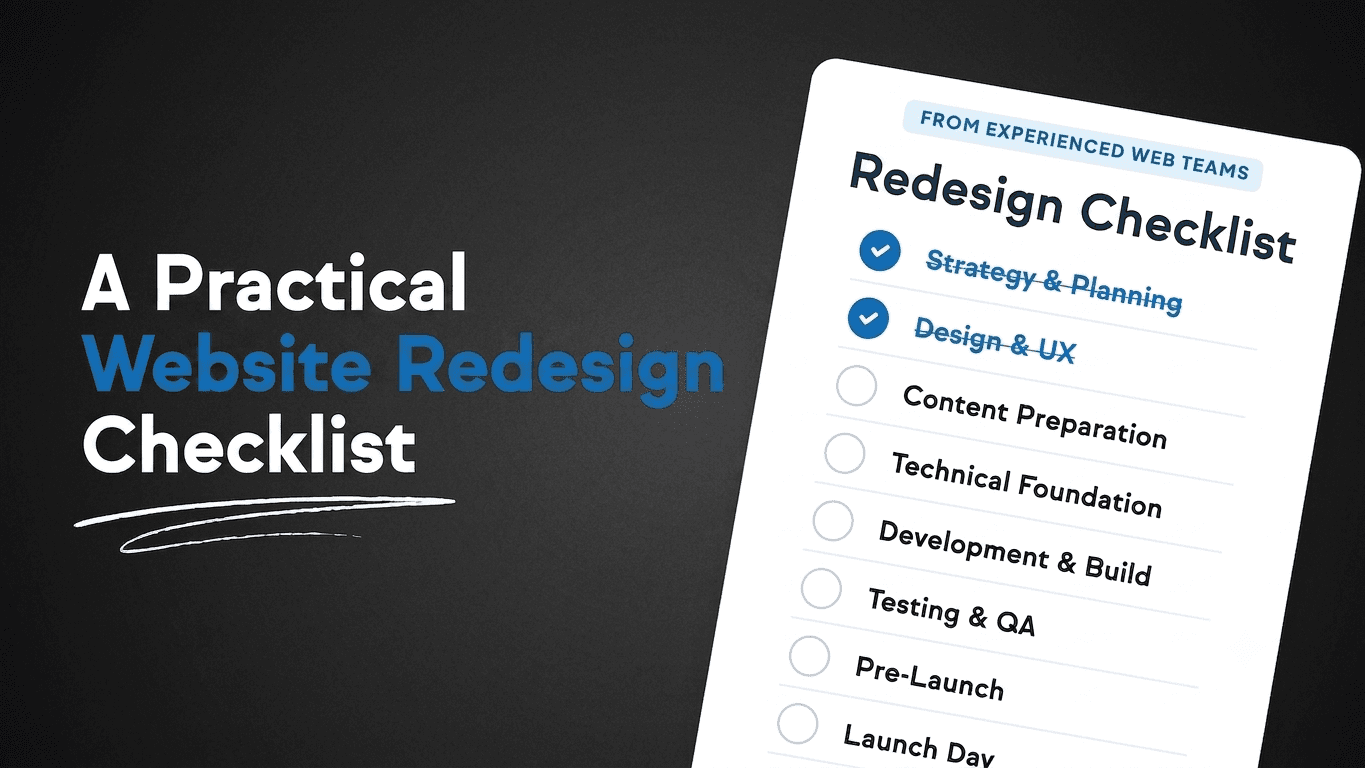
Company
Website Redesign Checklist for Growing Companies
Read articleShare via
Summarize with AI
Copies a prepared prompt with this article title and URL, then opens your selected AI tool.